
Night and holiday monitoring
A limited internal team alone may struggle to maintain 24-hour alert review and emergency notification.

We monitor alerts across endpoints, networks, cloud, identity, and email, assess their severity and impact, and support pre-authorized containment, notification, and reporting.
COMMON CHALLENGES
Monitoring products alone are not enough. Without 24-hour review, severity assessment, stakeholder notification, and initial response procedures, it takes longer to begin responding.
A limited internal team alone may struggle to maintain 24-hour alert review and emergency notification.
False positives and duplicate notifications make it difficult to quickly identify events with a significant business impact.
Handoffs from monitoring staff to endpoint, network, and identity teams take time.
Time zones, languages, and environment differences make it difficult to apply the same standards for review, notification, and response as at headquarters.
SERVICE SCOPE
We review your existing security products, logs, and internal team to define monitoring scope, response hours, severity levels, contacts, and authorized actions.
Continuously monitor alerts from each product and record review status and response history.
Filter out noise and assess severity, impact, urgency, and whether a response is needed.
Correlate endpoint, network, account, and cloud information to understand what happened.
Isolate endpoints, block communications, and suspend accounts within the authority agreed in advance.
Investigate suspicious behavior and potential compromise using logs and detection data.
Share response results, trends, and outstanding issues, then review detection rules and response procedures.
OPERATING MODEL
One team handles alert notification, correlation of multiple information sources, severity assessment, stakeholder communication, and the initial actions agreed in advance.
Monitor logs and alerts for signs of anomalies.
Identify false positives and assess impact and urgency.
Contact stakeholders and perform initial actions such as isolation and blocking.
Share facts, decisions, response results, and the need for further action.
Handle continuous monitoring, alert assessment, initial actions under standard procedures, and notification.
Assess impact, isolate endpoints, block communications, and coordinate with product vendors.
Support compromise investigations, root cause analysis, and improvements to detection logic and response procedures.
SERVICE TRANSITION
We review monitoring targets, logs, detection rules, contact lists, and authorized initial actions, then begin production operations after testing and parallel monitoring.
Review products, logs, monitoring arrangements, and challenges.
Define scope, severity, SLAs, and communication methods.
Establish standards for detection, assessment, initial response, and reporting.
Verify log reception and alert handling in the actual environment.
Begin 24/7 monitoring with regular service reporting.
Answers to common questions about monitoring scope, response arrangements, and implementation requirements.
Yes. Our teams provide round-the-clock monitoring, alert triage, and initial response based on agreed procedures.
Yes. We perform containment actions such as endpoint isolation, communication blocking, and account suspension according to the response policies and authorized scope agreed with you in advance.
We monitor and analyze logs and alerts across endpoints, networks, cloud, identity and authentication, and email.
Yes. Our six-language support team serves offices across multiple time zones from delivery locations in Japan, China, and ASEAN, using consistent monitoring and response standards.
Yes. We can design monitoring, analysis, and response arrangements using existing products such as Microsoft Defender, CrowdStrike, Tanium, Splunk, and Microsoft Entra ID.
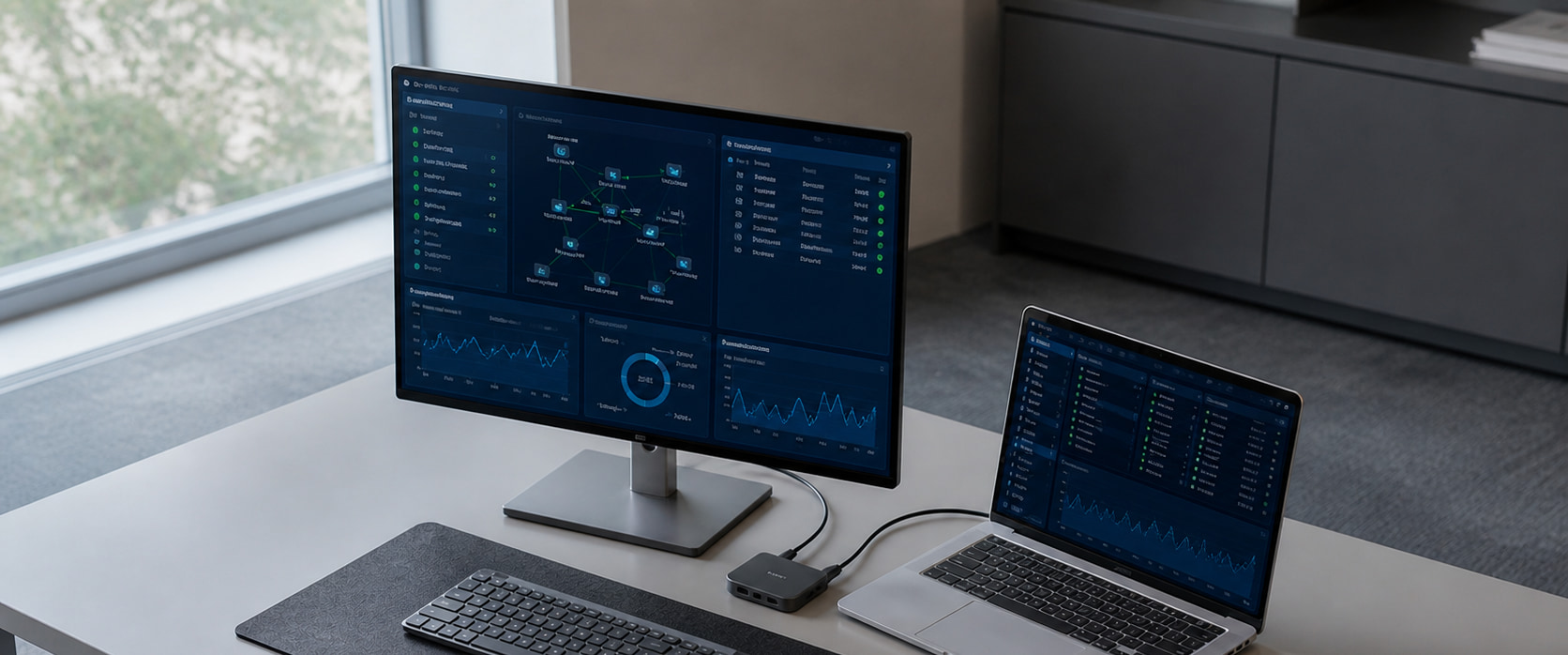
We review monitoring coverage, excluded areas, service hours, and notification and initial response arrangements after detection, then recommend the scope of SOC operations you need.