
Evidence is lost during recovery
The state and records needed for root cause investigation are not preserved while restoring service.

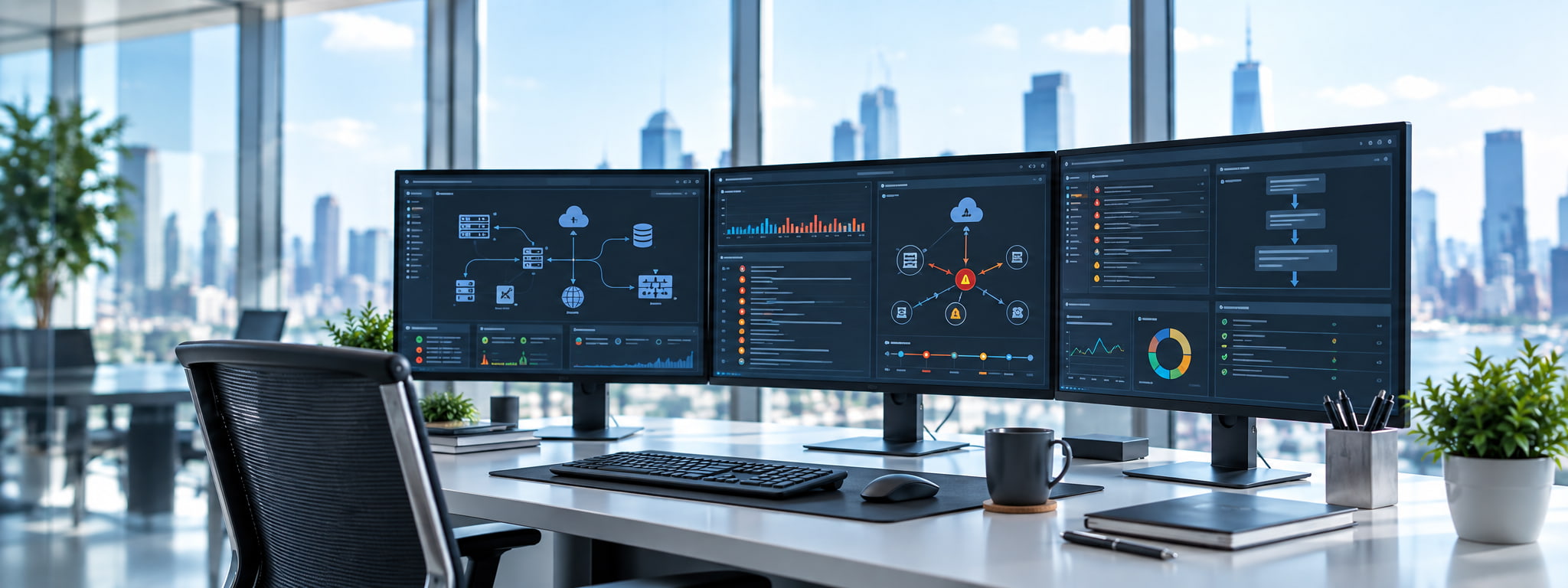
We trace incident causality across monitoring data, logs, traces, and configuration change histories. Going beyond recovery, we identify technical root causes and contributing operational processes to help prevent recurrence.
COMMON CHALLENGES
Investigations stall when data, responsibilities, time, and procedures are disconnected. An incident that is resolved without identifying its cause will recur when the same conditions arise.
The state and records needed for root cause investigation are not preserved while restoring service.
The events that deserve attention first are hidden among large volumes of notifications.
Network, server, database, and application teams assess issues separately, leaving the overall picture unclear.
Without standardized procedures, investigations rely on the experience and availability of specific individuals.
OUR APPROACH
We use consistent data, procedures, and tools to reproduce the analytical process followed by experienced investigators.
Collect: Consolidate data from networks, servers, databases, applications, and the cloud.
Narrow down: Organize duplicate and secondary alerts to retain the events that need investigation.
Trace causality: Correlate event sequences, dependencies, and change histories to trace the path of propagation backward.
Prevent recurrence: Use the findings to implement lasting corrective actions, improve problem management, document knowledge, and verify resolution.
MANAGEENGINE TOOLS
Monitor the availability and performance of networks, servers, and storage to identify where issues arise and what they affect.
Investigate response delays and errors at the transaction level across applications, middleware, and databases.
Use flow data to identify bandwidth-consuming hosts, applications, communication peers, and time periods.
Consolidate logs from servers, firewalls, databases, cloud services, and other sources to investigate events before and after an incident.
Monitor Web, API, and cloud services from the outside for availability and capture symptoms from the user perspective.
Convert alerts into incidents and link them with problems, changes, the CMDB, and knowledge.
Review monitoring targets, dependencies, logs, and change histories to design data collection.
Review thresholds, correlation rules, false positives, and exclusions based on operational results.
Identify recurring incidents and manage root causes, corrective actions, decision procedures, and long-term fixes.
IMPLEMENTATION
Validate the investigation process on selected systems, then expand based on results and data availability.
Review the monitoring configuration, recurring incidents, and current investigation and reporting processes.
Evaluate data collection, configuration information, and change and response histories.
Build an analysis workflow for a limited scope and validate the effectiveness of causal analysis.
Expand the scope and improve rules, knowledge, and problem management processes.
WHY ADVANGE
Trace causal relationships across networks, servers, cloud, databases, and applications.
Review technical factors as well as causes in change management and operating processes.
Continuously update thresholds, correlation rules, configuration information, and knowledge.
Answers to common questions about system incident root cause analysis and recurrence prevention support.
We analyze monitoring data, logs, traces, configuration change histories, and other sources together.
Yes. We investigate networks, servers, databases, applications, and the cloud together.
Yes. We can begin with a limited-scope pilot and roll out in stages.
Yes. We also examine causes in operating processes, such as change management and investigation procedures.
Yes. We support lasting corrective actions, problem management, knowledge documentation, and verification of results.
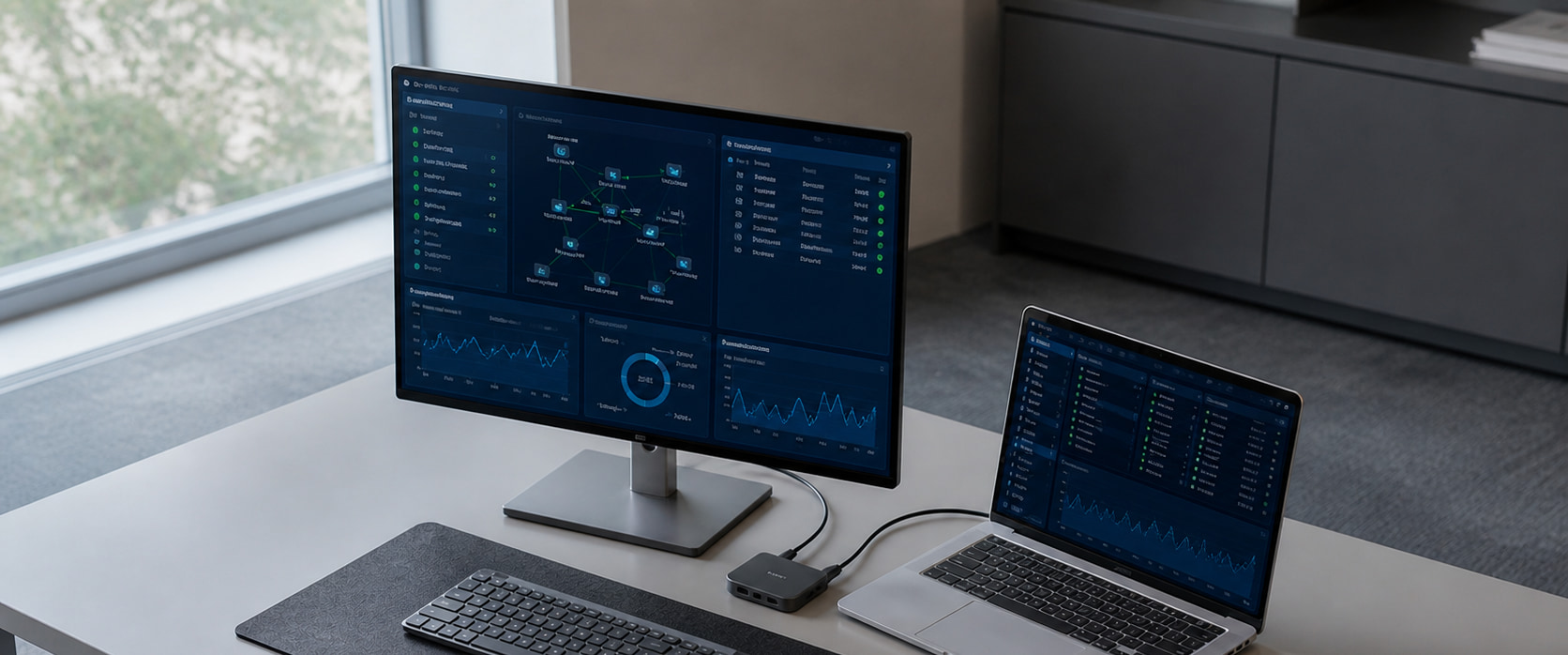
What data do you need, and how precisely can the cause be identified? We will define an RCA implementation approach suited to your current monitoring and operations environment.